Author: kime0ac7a8793c7

  • Benin Bronzes…Should they Stay or Should they go? Preserving Black Culture and Heritage in the Trump Era

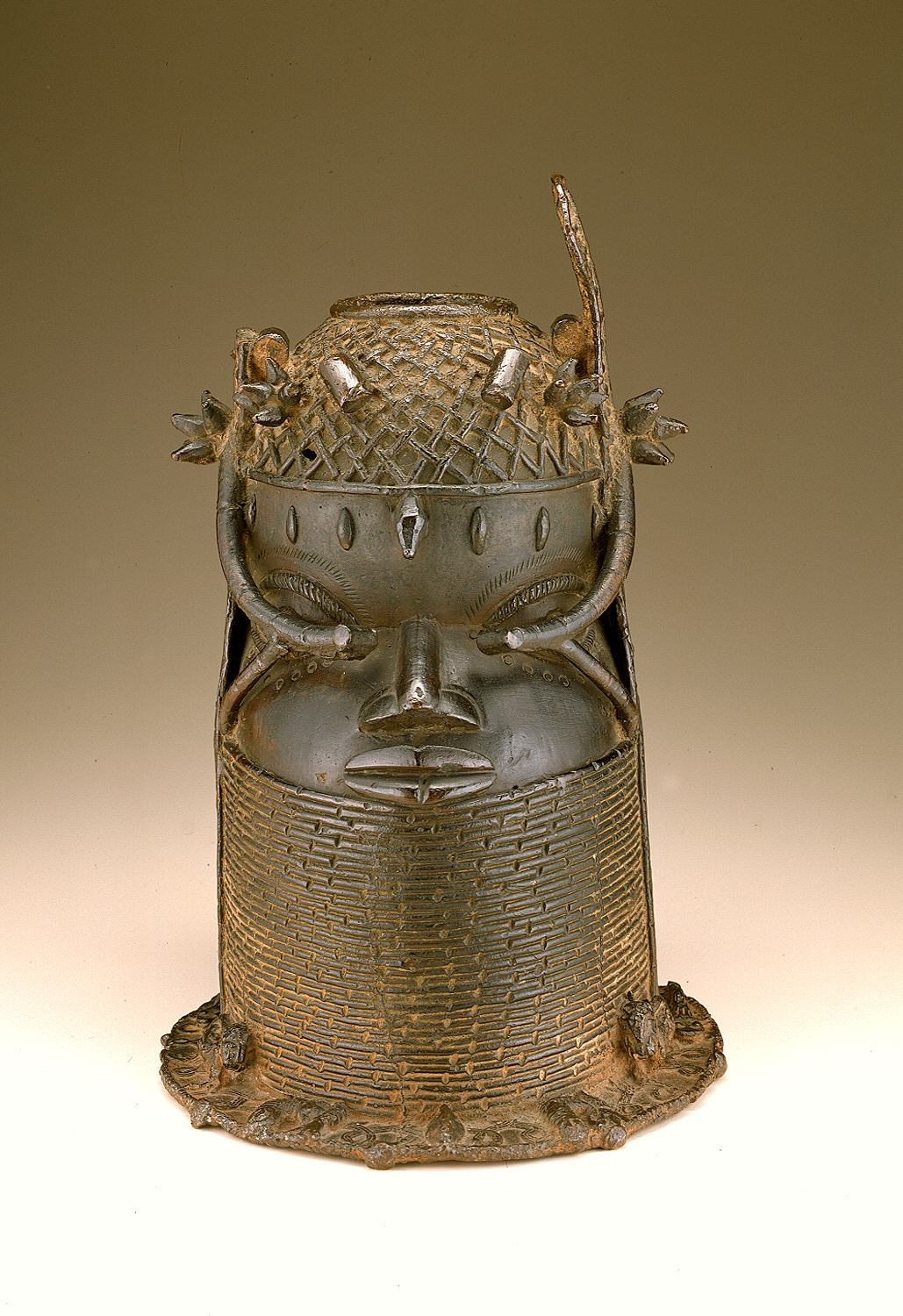
    The Benin Bronzes are emblematic of the movement pressuring Western museums to return heritage looted from Africa in the colonial era. After the violent 1897 plunder and devastation of the Royal Palace of Benin by British troops, at least 3,000 artefacts were dispersed internationally. In recent years, many institutions and countries have begun returning their Benin Bronzes to Nigeria, whose modern boundaries include the kingdom of Benin (which is distinct from the neighboring country of Benin). 

    These works of art have been prominently featured in the National Museum of African American Art, which is one of the Smithsonian’s 15 facilities that it manages.  The secretary of the Museum has been in negotiations with Nigeria to repatriate 20 of the 29 works.  The remaining 9 works remain on display at the National Museum of African American Art today.  

    Repatriation and return of lost works of arts continues to be a topic of discussion within the Museum world.  Returning artifacts to those who claim ownership due to an unauthorized taking remains relevant event in 2025.  However, over generations people have grown an attachment to these artifacts and developed a since of transferred ownership as a result of having a cultural tie to them. This becomes magnified when African Americans are under the belief that they have been stripped of all other cultural traditions and belongings. African Americans cling tighter to the few artifacts that remain.   This emotional and cultural tie is significant and is a part of a cultural journey of a people who have been displaced from the land of its origin.  The fact remains that as much as the descendants of the Benin Bronzes feel a connection to them, we know the root of their origin and they should have the option of returning to their country.  Part of the mission of the National Museum of African American Art is to display the story of African American people and their journey to and through America.  The fact that the Museum has negotiated the retention of 9 of the 29 works speaks to the sensitivity of the Museum to make sure that these specific artifacts and their story continues to be shared here in the US.  Sometimes the best remedies in law are those created in equity and where both sides can claim a small victory.  

    Deadria Farmer-Paellmann v. Smithsonian Institution, is a case filed by Deadria Farmer-Paellmann and the organization she leads, Restitution Study Group (RSG), calling on the highest court in the US to review the July 2023 ruling by a district court in favor of the Smithsonian.  The plaintiff’s main argument is centered on the fact that African American citizens whose ancestors were enslaved from the nation of Benin would be robbed of a piece of their cultural heritage if these artifacts are returned to their country of origin.  The RSG, which has been defeated by the lower courts, seeks intervention by the US Supreme Court to enjoin the Smithsonian from allowing the artifacts to be repatriated to Nigeria.  https://www.artsandcollections.com/bank-of-america-reimagining-access-to-art/https://www.theartnewspaper.com/2024/10/11/supreme-court-benin-bronzes-smithsonian-restitution-lawsuit

    It’s hard for me not to take this subject seriously. How do you balance the fact that these items represent a culture that has been taken and resettled overtime to a land distant from its origin place. Clearly these pieces have a home and they are longing to be reunited. However, they do stand as a symbol of resilience and strength for a community of people who represent about 1/3 of the US population. As I think of the Bronzes, I think of its people who it represents and wonder should they be allowed to return as well. This comes on the heels of the decisions that the Trump administration has made to streamline efforts related to DEI and minimizing and downplaying the significance of the era of slavery in the US. The Bronzes are a physical representation of the fact that these people. People from Africa, Benin in particular were here. Have been here. And now their decedents are here and are thriving and well. The Supreme Court, in its decision not to hear the case, means that the Bronzes will find their way home. The blessing and burden is that for the people who remain the mantel is left for them to fight a bit harder to make sure that their history remains.

  • Caveat Emptor and the Met’s Native American Collection

    The concept of caveat emptor—Latin for “let the buyer beware”—is highly relevant to the controversy surrounding the Metropolitan Museum of Art’s (Met) collection of Native American artifacts. This principle suggests that buyers (or in this case, museums acquiring artifacts) must exercise due diligence before making a purchase, as the responsibility for verifying authenticity and legality falls on them.

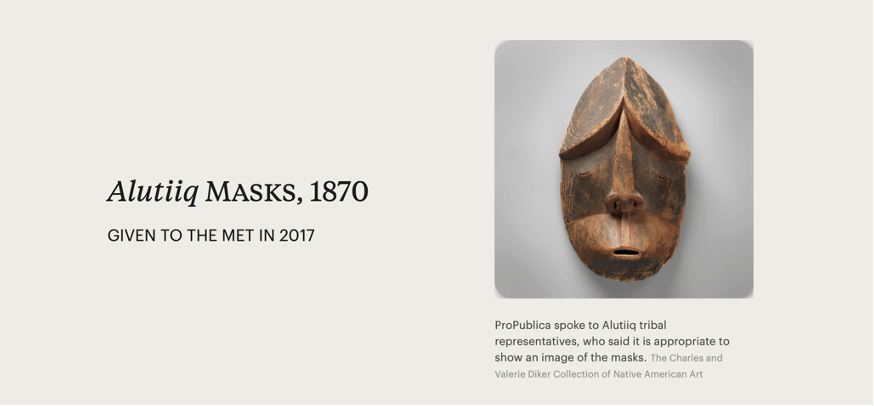
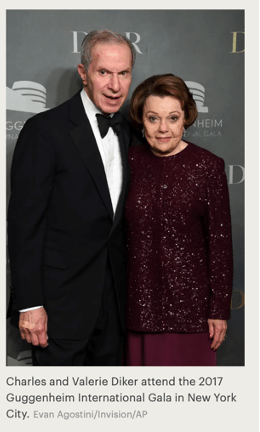
    The ProPublica article highlights that many of the Native American artifacts in the Met’s collection, particularly those donated by Charles and Valerie Diker, have incomplete or missing provenance records. Under caveat emptor, the museum should have conducted thorough research before accepting or displaying these objects. By failing to do so, the Met has placed itself in an ethically and legally questionable position, particularly concerning the Native American Graves Protection and Repatriation Act (NAGPRA), which mandates the return of certain cultural artifacts to Indigenous tribes.

    Furthermore, the Met’s alleged practice of displaying items as loans rather than permanent acquisitions suggests an attempt to sidestep legal obligations, which conflicts with the spirit of caveat emptor. Ethical institutions should take extra precautions to avoid acquiring looted, stolen, or culturally sensitive items—failure to do so can lead to legal battles, reputational damage, and strained relationships with Indigenous communities.

    On the flip side, while caveat emptor applies to the Met, caveat venditor—“let the seller beware”—is equally important for individuals or collectors selling Native American art. Sellers should ensure that artifacts have clear provenance and are not subject to repatriation laws before offering them to institutions. If the Dikers or other donors did not fully vet the origins of their collection, they bear some responsibility for any ethical or legal challenges the Met now faces.

    Key Takeaways

    ·      Due diligence is essential: The Met should have investigated the provenance of each artifact before accepting them into its collection.

    ·      Legal and ethical risks exist for buyers: Acquiring artifacts without proper documentation can lead to repatriation claims and reputational harm.

    ·      Sellers also have responsibilities: Those selling or donating cultural items must ensure they are doing so legally and ethically.

    The Met’s case serves as a cautionary tale for museums, collectors, and donors, emphasizing that the burden of responsibility in acquiring and displaying cultural heritage should not be ignored.

    https://www.bia.gov/service/nagpra

    https://https://www.propublica.org/article/the-met-museum-native-american-collections

  • To NFT or Not to NFT? That Is the Question

    If you’re of a certain age, like myself, you may find yourself debating whether to commit to learning something new. News flash… the digital age has made its way into the elusive art world, and it’s not just knocking on the door—it’s kicked it wide open. Enter: NFT art.

    What Is NFT Art?

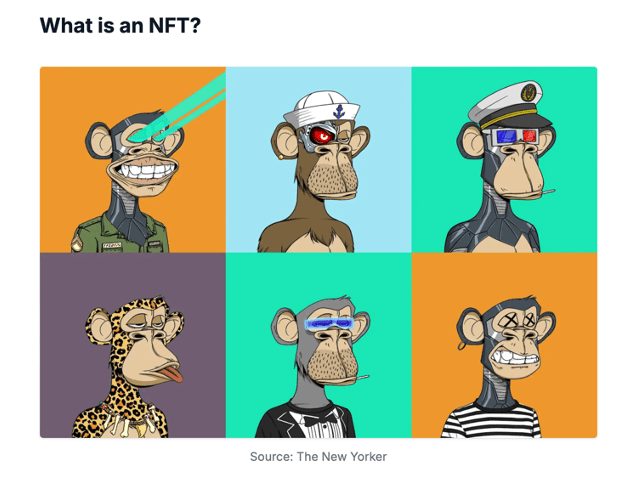
    NFT stands for Non-Fungible Token. NFT art refers to digital assets stored on a blockchain that represent content or even physical items. Art mediums that NFTs can represent include digital drawings, paintings, music, film, poetry, or books. NFT art allows artists to sell or rent their artwork beyond the physical world. NFT art is a digital asset that the buyer owns and can sell or trade on a blockchain platform. The sale of NFTs is a means of selling digital art without building an extensive social network. Blockchain transactions take place on NFT marketplaces, reducing the obstacles of self-promotion.

    The Rise and Fall of NFTs: Insights from Minted

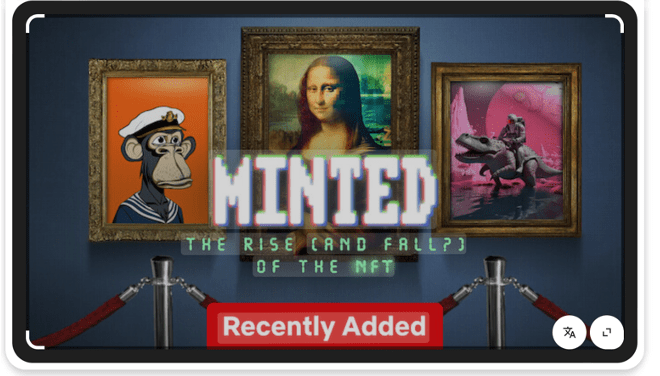
    The Netflix documentary Minted: The Rise (And Fall?) of the NFT offers a front-row seat to the NFT phenomenon. It explores the volatile intersection of culture and capital, highlighting how outsider artists and tech experts navigated the highs and lows of the NFT market. The film captures a moment in history where art, technology, and finance collide, offering a front-row seat to the rise and fall of an artistic frontier. 

    Sotheby’s ‘Natively Digital’ Auction: A Milestone in NFT Art

    In June 2021, Sotheby’s launched “Natively Digital,” its first curated NFT sale, marking a significant moment in the mainstream acceptance of digital art. The auction featured Kevin McCoy’s Quantum (2014), widely regarded as the first NFT artwork, alongside other notable pieces like a rare “alien” CryptoPunk and Anna Ridler’s The Shell Record. This event not only showcased the diversity of NFT art but also highlighted the growing interest from traditional art institutions in the digital realm

    Legal Considerations: Navigating the NFT Landscape

    As NFTs continue to influence the art world, artists and galleries must be aware of the legal implications.

    • Ownership and Licensing

    Purchasing an NFT doesn’t always equate to owning the underlying artwork. Often, buyers receive a license to use the art in specific ways. Artists and galleries should clearly define what rights are being transferred to avoid misunderstandings.

    • Copyright Infringement

    Minting an NFT of artwork you don’t own can lead to legal issues. Artists must ensure they have the rights to the content they tokenize. Galleries should conduct due diligence before exhibiting or selling NFTs to avoid potential copyright infringements.

    • Smart Contracts and Royalties

    One advantage of NFTs is the ability to embed royalties into smart contracts, ensuring artists receive compensation from secondary sales. However, not all platforms enforce these royalties consistently. Artists should understand how royalties are structured and their enforceability across different marketplaces.

    Case Study: Free Holdings v. McCoy and Sotheby’s

    The 2023 case Free Holdings v. McCoy and Sotheby’s underscores the complexities of NFT ownership. Kevin McCoy, who created the first NFT titled Quantum in 2014, faced a legal challenge when Free Holdings claimed ownership after re-registering the NFT on a different blockchain. The court ruled in favor of McCoy, emphasizing the importance of clear ownership records and the legal recognition of original creators.

    To NFT or Not to NFT?

    The decision to engage with NFTs depends on individual goals and risk tolerance. For artists seeking new avenues to share and monetize their work, NFTs offer opportunities for creative and financial autonomy. Galleries aiming to stay relevant may find value in exploring NFTs but should proceed with caution and legal guidance.

    Approach NFTs with curiosity and due diligence. Equip yourself with knowledge to navigate this evolving landscape. Remember, while NFTs present new opportunities, they also come with challenges that require careful consideration.

    Conclusion

    As alluring as the NFT space may be—with its promises of democratization, decentralization, and digital immortality—it remains a legally complex and rapidly evolving terrain. Whether you’re an artist eager to mint your first piece or a gallery considering a digital expansion, the risks around copyright, licensing, smart contracts, and platform compliance are real. Before leaping into this new frontier, consult with an attorney who understands the intersection of art, technology, and intellectual property. Sound legal advice isn’t just a precaution—it’s a strategic investment in protecting your creative work, your reputation, and your future in the art world. Only then can you confidently answer the question: To NFT, or not to NFT.

    For further reading:

    Minted: The Rise (And Fall?) of the NFT on Netflix. Minted. Directed byNicholas Bruckman, Netflix, 2025. Netflix, www.netflix.com/title/81993558.

    Case Review: Free Holdings v. McCoy and Sotheby’s (2023) by the Center for Art Law https://itsartlaw.org/2023/09/12/case-review-free-holdings-v-mccoy-and-sothebys-2023/

    Sotheby’s ‘Natively Digital’ Auction Details https://www.barrons.com/articles/sothebys-offers-curated-nft-sale-featuring-first-in-the-genre-01620322895

  • When A Picture is worth more than a thousand words….

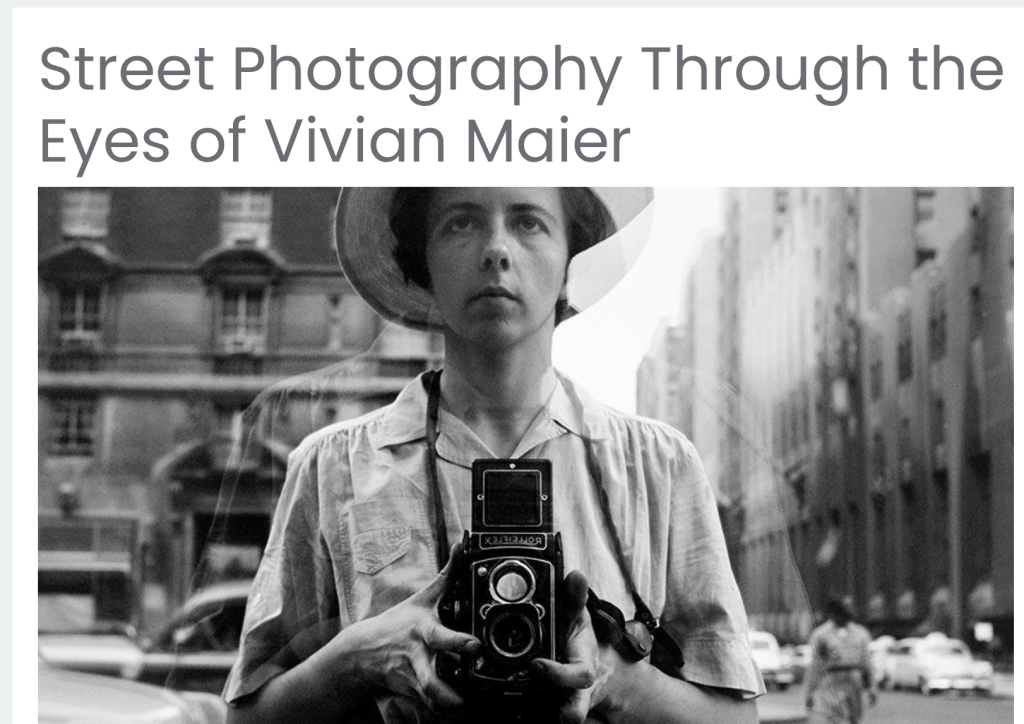
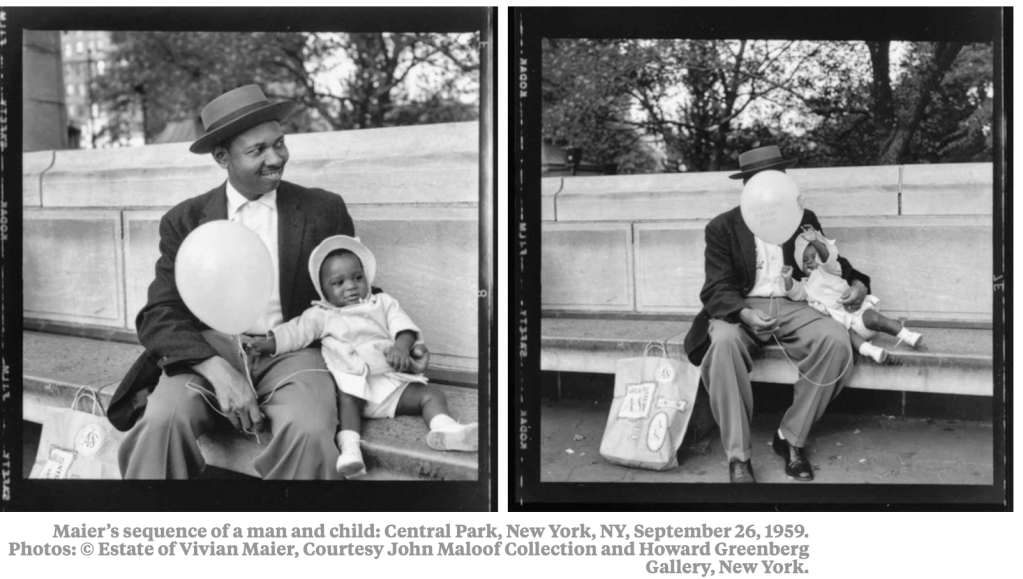
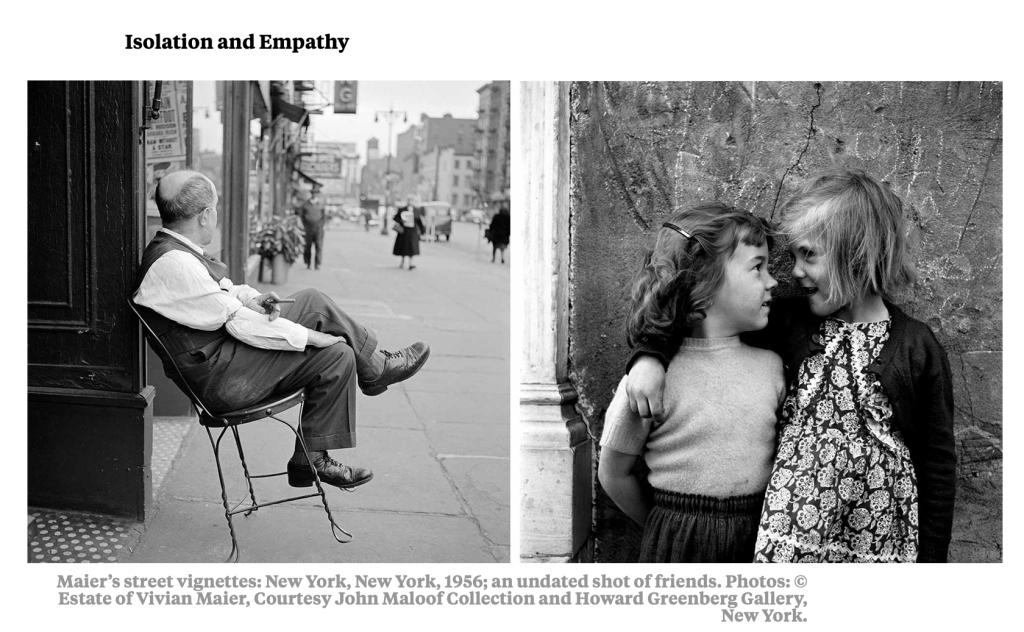
    Artists and collectors beware, if you wish to protect and collect artwork please seek legal advice to make sure that you are properly protecting your interests in your works and collections.  Illinoians need not look any further than the story of local Chicago artist Vivian Maier to give you guidance on what NOT to do when you are trying to secure the legacy of your work.  Vivian Maier, a French native who relocated to Chicago lived a simple life.  She was a nanny who also delved in photography.  Her passion, more than a pet project, proved to create a financial legacy well beyond her life.  Vivian died nearly penniless and without family.  She did not execute a will thus leaving her life’s work of pictures unprotected. (The Heir’s Not Apparent, NYT Sept 2, 2024) Posthumously, Vivian would be recognized as a prolific photographer who chronicled, with expert precision, daily life in iconic places.  A zealous attorney, David C. Deal, and freelance photographer, stumbled upon Vivians work in a storage locker at an auction house.  Deal realized that reproductions of her photographs were being sold by people who did not have a family connection to them and that bothered him.  He committed a large portion of his career seeking to find heirs of Vivian, no mater how distant.  His goal was to make sure that the heirs got to control her estate.  Shortly after Vivians death, John Maloof, a former real estate agent in Chicago purchased many of Vivian’s negatives with the intention of reproduction and sale.  Additionally, Jeffrey Goldstein, an interested collector, also amassed a series of Vivian’s prints and sought to reproduce them as well.  Vivian died in April 2009 and a probate action was filed in Cook County, Illinois. (The Heir’s Not Apparent, NYT Sept 2, 2024)  Meanwhile, both Maloof and Goldstein were replicating, selling, creating documentaries and producing books which showcased and promoted Vivian’s work as if they had exclusive ownership. The activity created by these collectors subsequently drove up the value of Vivian’s work.  Vivian Maier’ s estate jumps into action instituting several legal proceedings to claw back ownership of her work  so that final distribution and title could pass to her heirs.  The estate of Vivian Maier not only spent considerable time and money defending the ownership rights of her work, but had to restrict the further sale of her work to make sure that the estate and its heirs could adequately retain ownership and control of her works.  Vivian’s estate became fraught with issues related to copyright infringement, misuse of infringement, and unjust enrichment claims. (Estate of Maier v. Goldstein, N.D. Ill. Nov. 20, 2017)  Claims arose out of state court, federal court, probate court and under notions of equity.  In the end, many years later, the matter(s) were settled in favor of the estate.  The happy expensive ended was that all claims were settled in favor of distant relatives from France. (Estate of Maier v. Goldstein, N.D. Ill. Nov. 20, 2017)

    If there ever was a case that tried to emulate a bar examination question, it is this very case.  There is no shortage of issues to address.  Such is the case when artists and collectors need to evaluate the future plans of who should own and control their work.  At first glance, one may think that this is a simple probate matter, which in large part it is, but the subject of art ownership, particularly of multiples and prints is very nuanced. (Illinois Probate Code755 ILCS section 5)   Illinois has laws specifically involving the consignment of art, particularly of print works in multiples. (Illinois Code 815 ILCS 320)  Illinois Consumer Fraud notions apply. (Illinois Code 815 ILCS 505) Federal Copywrite law is impacted here. (26 U.S.C. section 115)  The Lanham Act, which protects a persons rights under copyright infringement is raised with both Maloof and Goldstein (15 U.S.C. section 1114) and even notions of Cybersquatting arose and needed to be addressed in these actions.   (15 U.S.C. section 1125(d))

    Although no one likes to think about the end, it is always best practice when artists and collectors make the decision to embark on the journey to create and proliferate works of art, to simultaneously look at their legacy.  In other words, as you drafting your articles of incorporation to create your business existence, you should also consider how (and who) you would like to carry on your legacy.  Drafting a living trust and a will are just as important as filing your articles of incorporation.  Today your work maybe worth just the canvas on which it appears, but if your work ends up being worth more than a thousand words, make sure your intentions are clear on how you want your legacy to be preserved and passed on. 

    Link https://casetext.com/case/maier-v-jeffrey-goldstein-vivian-maier-prints-inc?q=Vivian%20maier&sort=relevance&p=1&type=case

    https://www.nytimes.com/2014/09/06/arts/design/a-legal-battle-over-vivian-maiers-work.html

  • Hello World!

    Welcome to WordPress! This is your first post. Edit or delete it to take the first step in your blogging journey.