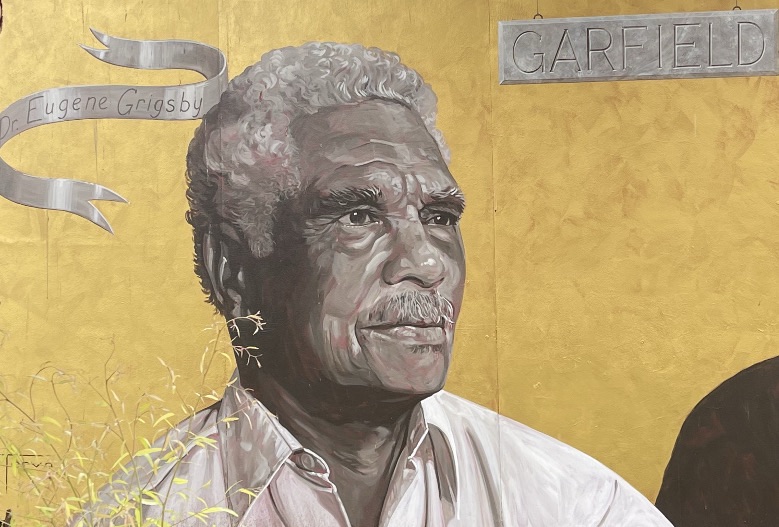
The story of J. Eugene Grigsby Jr. is one of vision, discipline, and unwavering commitment to both artistic excellence and cultural truth. As an artist, scholar, and educator, his work transcended traditional boundaries—merging creative practice with rigorous academic inquiry to help define and legitimize the field of African American art history.
For many, Grigsby’s name is synonymous not only with powerful visual storytelling, but with intellectual leadership. His contributions to arts education helped shape how institutions teach, interpret, and value Black art. At a time when African American artistic expression was often marginalized, he insisted on its rightful place within both scholarly discourse and public consciousness.
A Life Dedicated to Art and Education
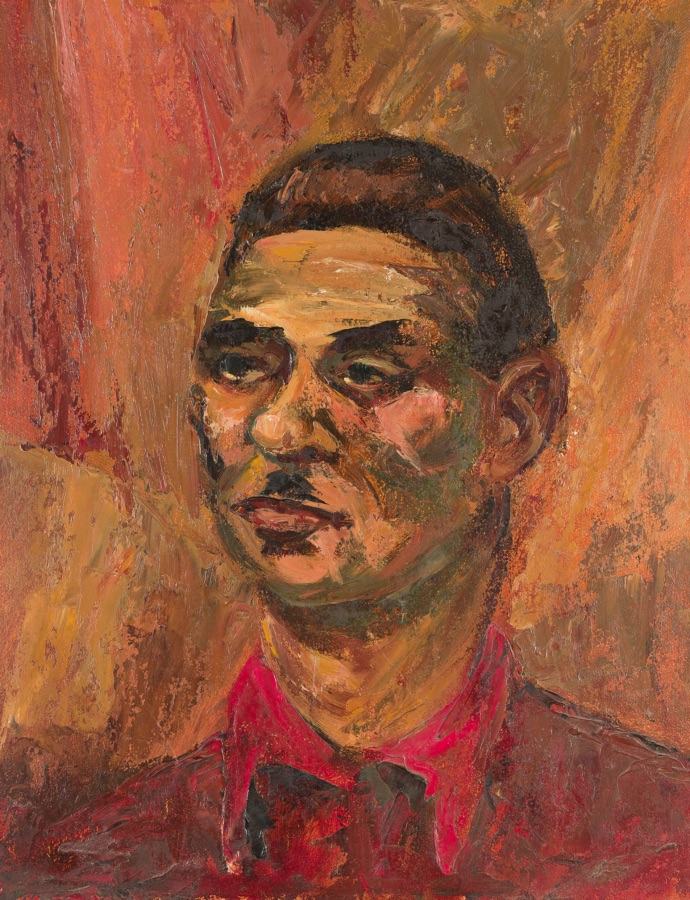
Grigsby’s career reflects a rare dual mastery: the ability to create deeply resonant artwork while simultaneously building the academic frameworks that support its study. His paintings often explored the human condition, identity, and the richness of Black life—rendered with a sensitivity that invites both reflection and recognition.
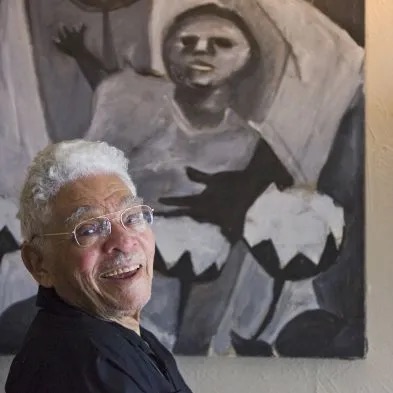
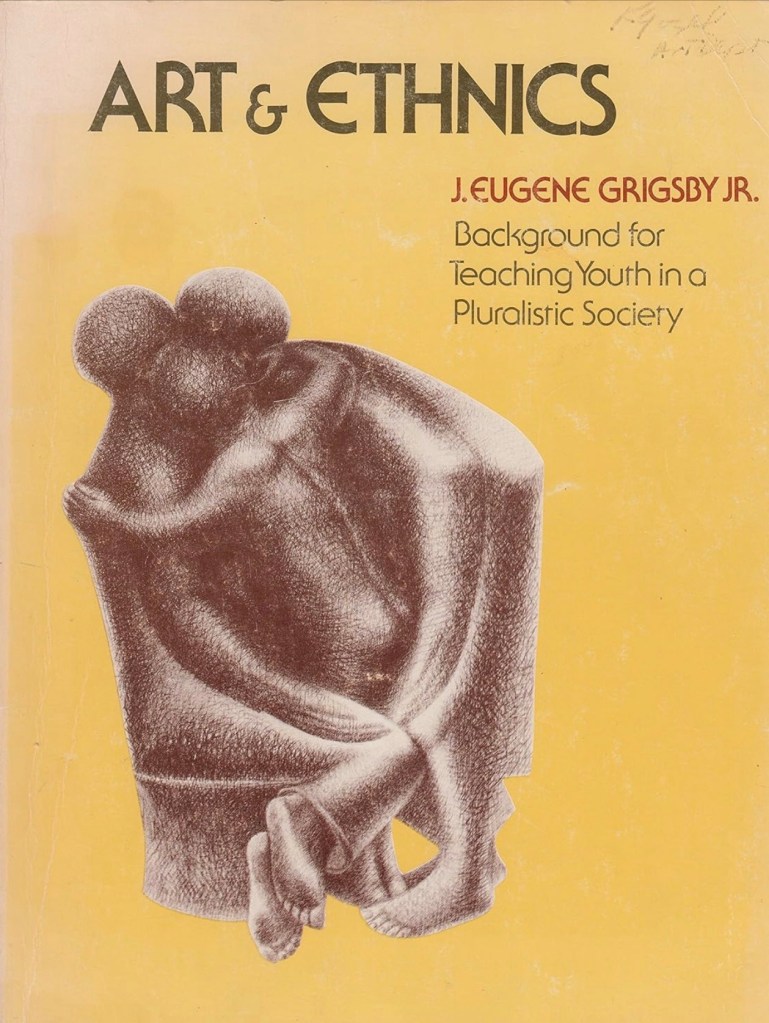
But perhaps equally significant was his role as an educator. Through decades of teaching, writing, and mentorship, he influenced generations of artists, historians, and cultural leaders. His work in academia helped establish African American art as a critical area of study, ensuring that future scholars would have both the language and the legitimacy to carry the field forward.
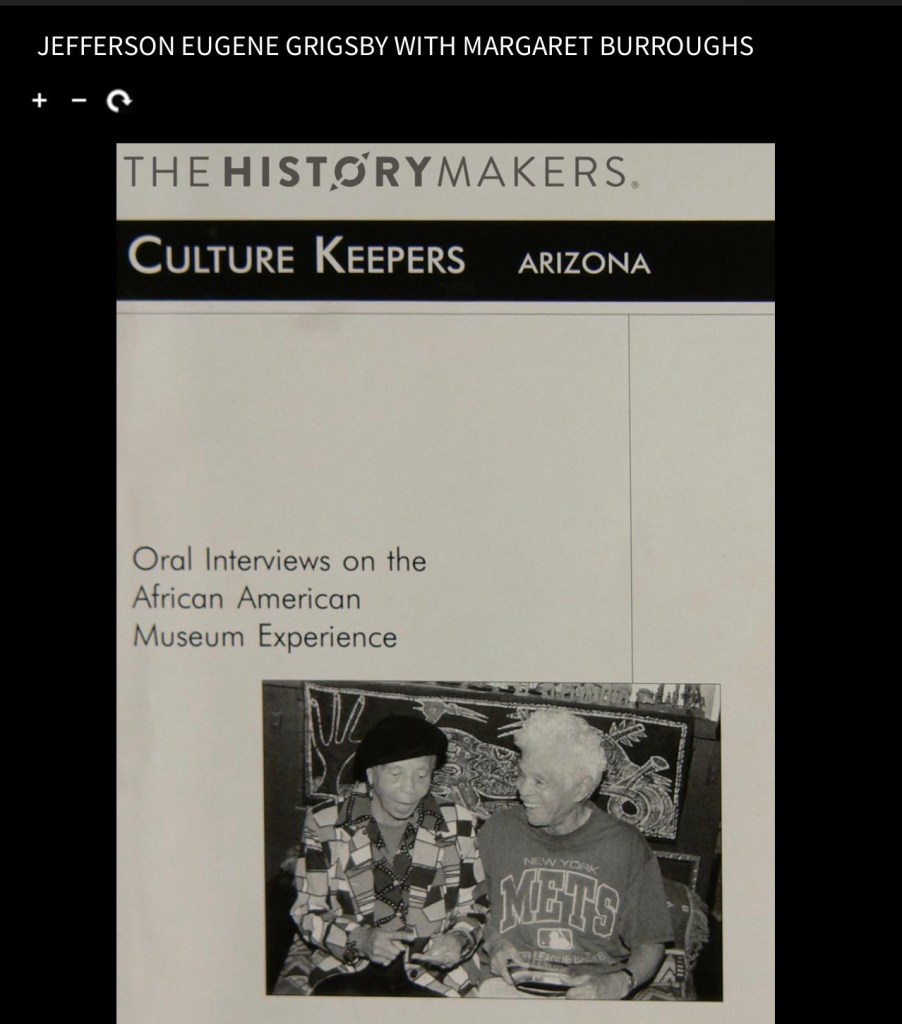
Legacy as Living Practice
Legacy is often spoken of in past tense—but in the case of Grigsby, it remains an active, evolving force. His influence can be seen in classrooms, museums, and cultural institutions across the country. It lives in the work of artists he inspired and in the frameworks he helped build.
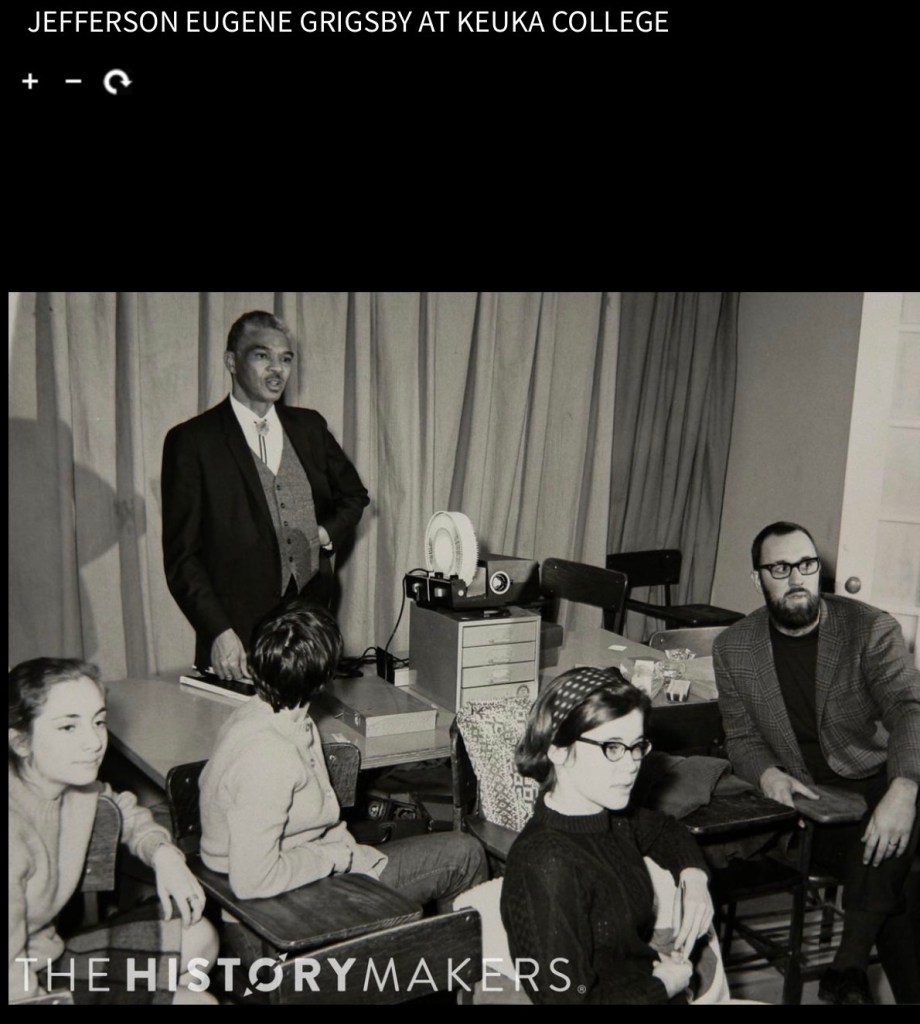
For those of us who carry his name and his teachings forward, legacy is not simply inheritance—it is responsibility. It calls for continued stewardship, advocacy, and engagement with the very principles he championed: excellence, equity, and cultural integrity.
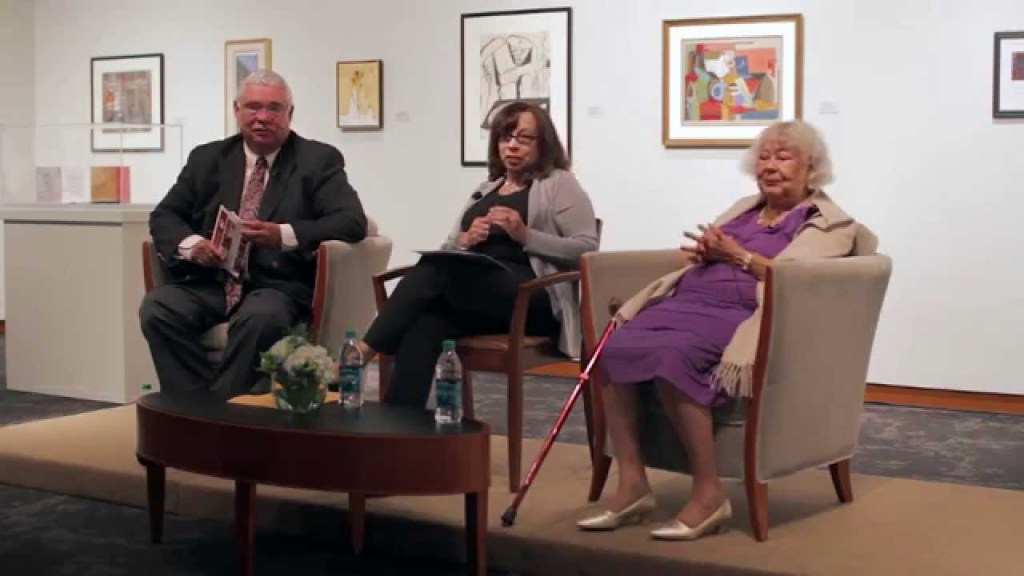
A Moment of Recognition: Upcoming Sale
That legacy is once again coming into focus through the upcoming sale of his works at Swann Auction Galleries, as highlighted in their feature, “J. Eugene Grigsby Jr.: The Legacy of an Artist and Educator.”
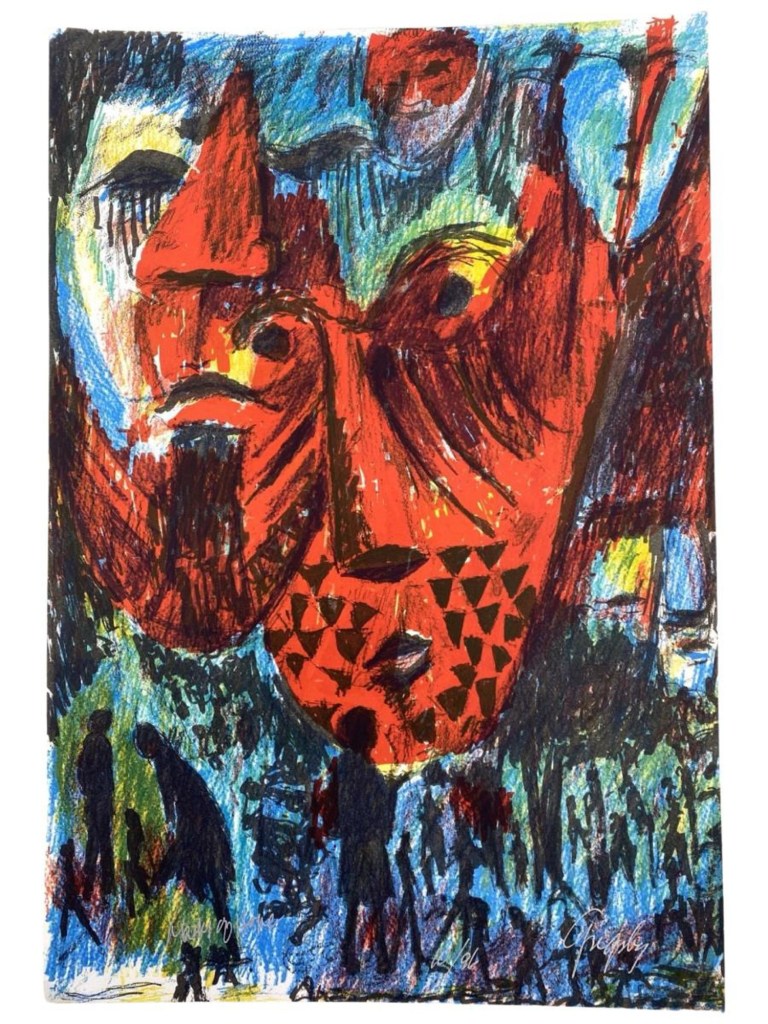
This sale represents more than a market event—it is an opportunity for collectors, scholars, and institutions to reconnect with the depth and significance of his work. Each piece stands as both an artistic achievement and a historical artifact, carrying with it the intellectual and cultural weight of his life’s work.

Moments like this also raise important questions about preservation: Who holds our cultural narratives? How are they valued? And how do we ensure that the legacies of artists like Grigsby remain accessible, contextualized, and honored?
A Personal Reflection
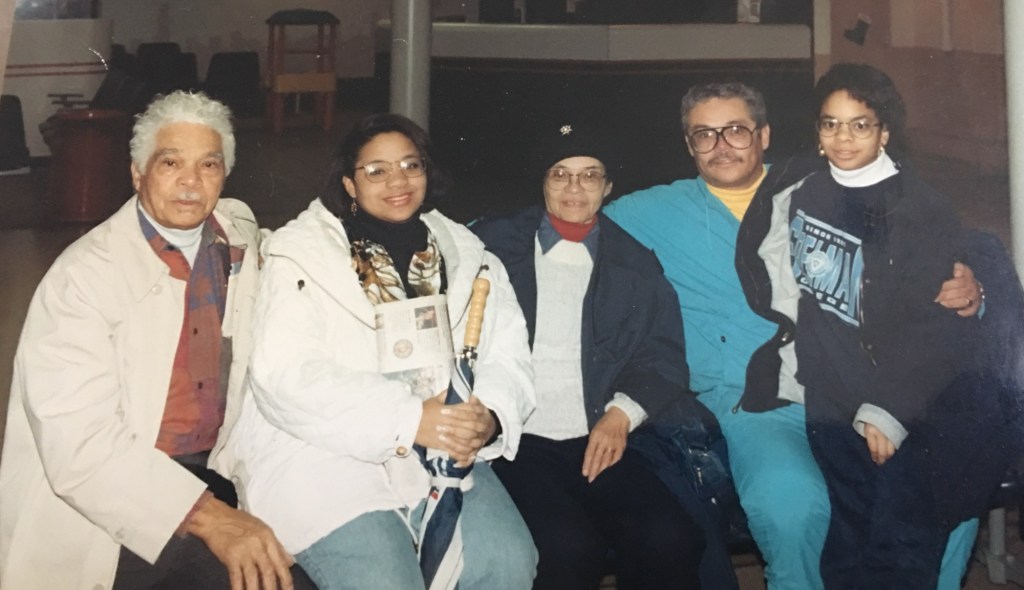
As the granddaughter of J. Eugene Grigsby Jr., I have had the rare privilege of experiencing his legacy not only through his work, but through the values he lived every day. His presence was both grounding and expansive—rooted in discipline, yet always pushing toward possibility.
What I carry most is not just his accomplishments, but his expectation of excellence. He understood that art was never separate from responsibility—that it was a vehicle for truth, for documentation, and for elevating the fullness of our stories. That belief continues to shape how I move through my own work in law, nonprofit leadership, and cultural stewardship.

Growing up in his orbit meant understanding, early on, that culture must be protected with intention. That preservation is not passive—it requires advocacy, structure, and accountability. These lessons have become foundational in my career, informing how I approach everything from governance to fundraising to program development within the arts ecosystem.
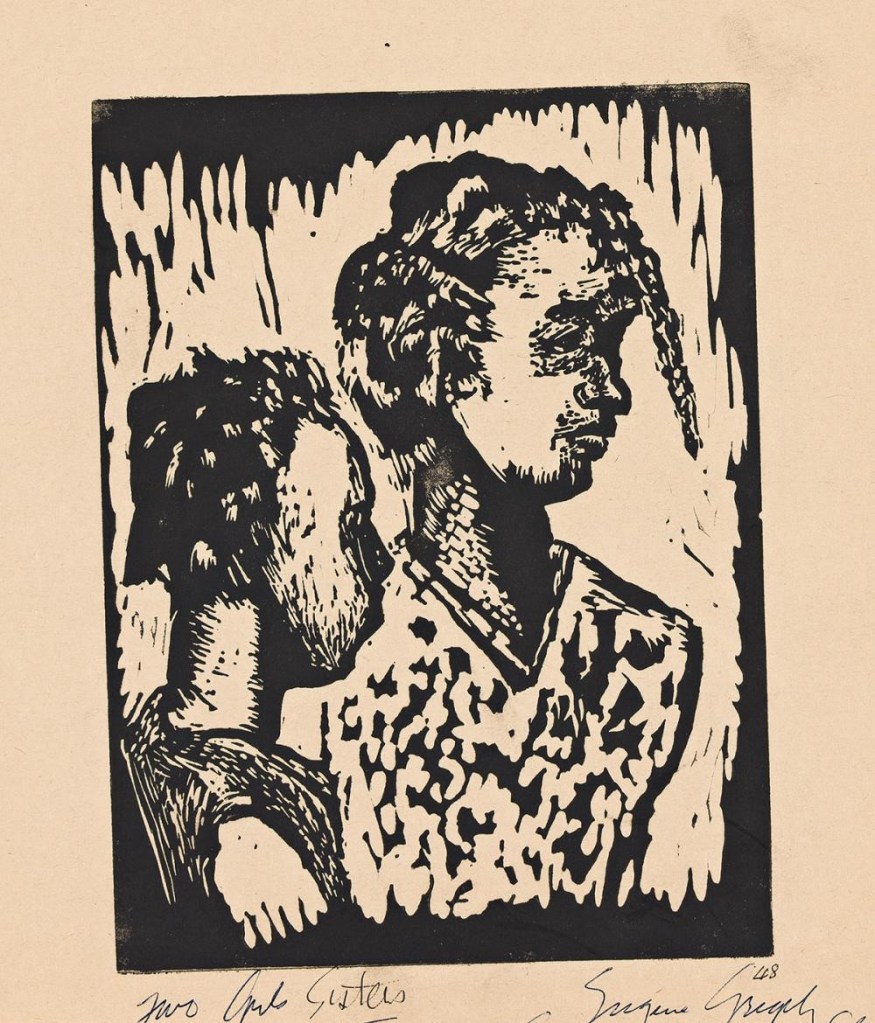
This upcoming sale is deeply meaningful. It is both a moment of pride and reflection—a reminder that his work continues to live, to travel, and to speak.
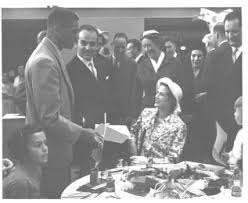
But it also reinforces something I know to be true: legacy is not something we simply celebrate. It is something we are called to steward.
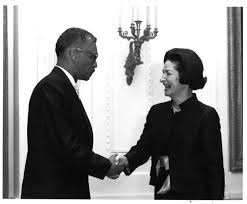
And that is a responsibility I carry forward with both honor and purpose.
Carrying the Legacy Forward
In reflecting on the life and work of J. Eugene Grigsby Jr., we are reminded that true legacy is not static. It is something we build upon, protect, and reintroduce to new generations.
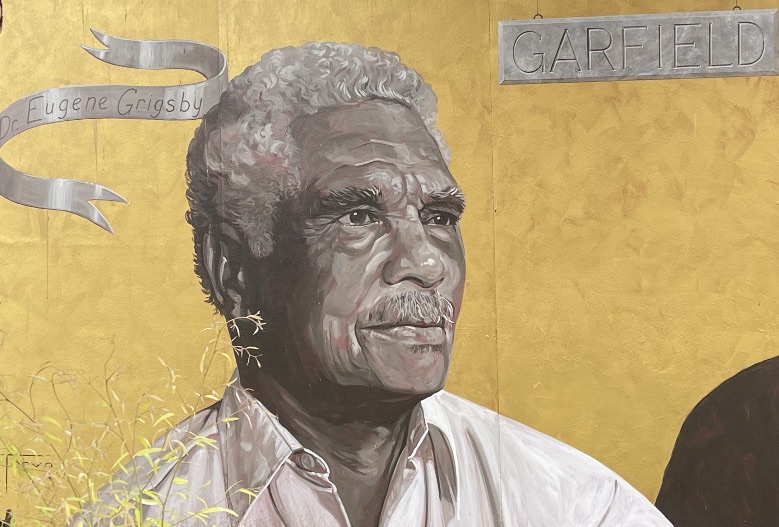
As his work enters new collections and continues to inspire new audiences, we are called to do more than remember—we are called to engage. To teach. To preserve. To elevate.
Because his legacy is not only a reflection of what he accomplished—it is a blueprint for what remains possible.
 Grigsby Whitman Blog
Leave a comment