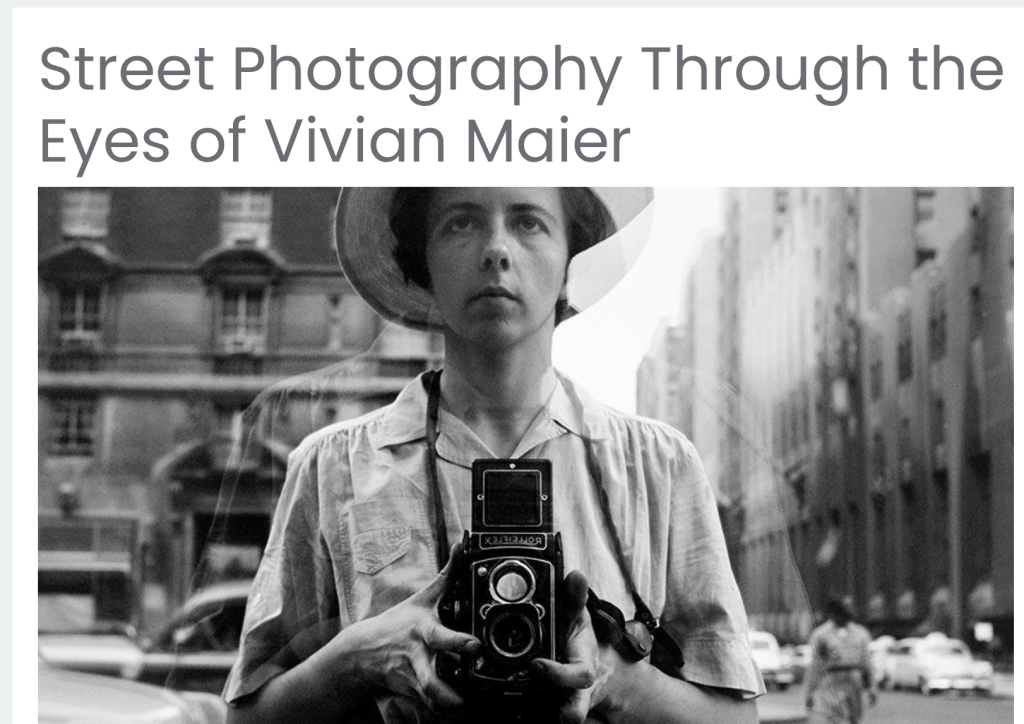
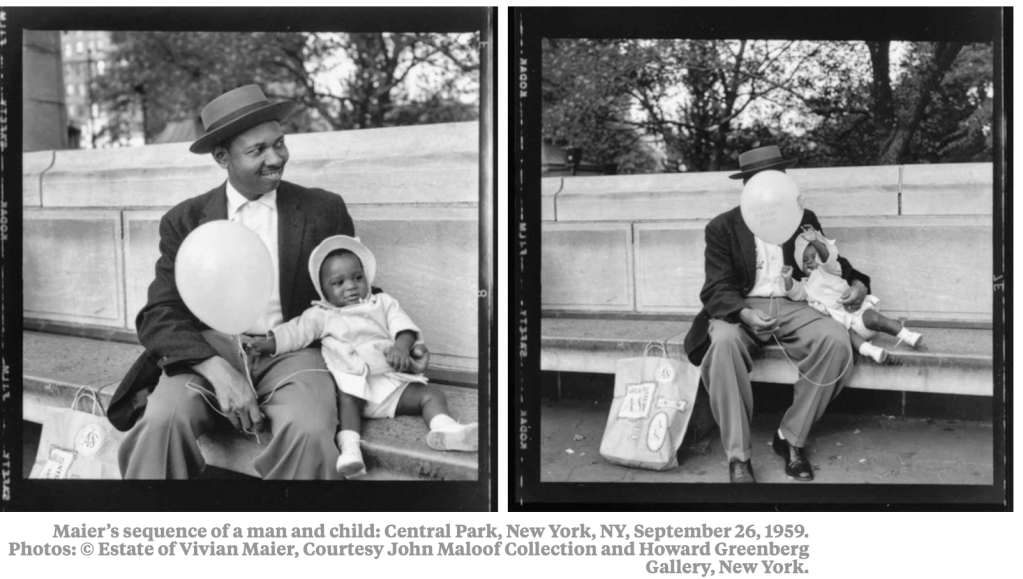
Artists and collectors beware, if you wish to protect and collect artwork please seek legal advice to make sure that you are properly protecting your interests in your works and collections. Illinoians need not look any further than the story of local Chicago artist Vivian Maier to give you guidance on what NOT to do when you are trying to secure the legacy of your work. Vivian Maier, a French native who relocated to Chicago lived a simple life. She was a nanny who also delved in photography. Her passion, more than a pet project, proved to create a financial legacy well beyond her life. Vivian died nearly penniless and without family. She did not execute a will thus leaving her life’s work of pictures unprotected. (The Heir’s Not Apparent, NYT Sept 2, 2024) Posthumously, Vivian would be recognized as a prolific photographer who chronicled, with expert precision, daily life in iconic places. A zealous attorney, David C. Deal, and freelance photographer, stumbled upon Vivians work in a storage locker at an auction house. Deal realized that reproductions of her photographs were being sold by people who did not have a family connection to them and that bothered him. He committed a large portion of his career seeking to find heirs of Vivian, no mater how distant. His goal was to make sure that the heirs got to control her estate. Shortly after Vivians death, John Maloof, a former real estate agent in Chicago purchased many of Vivian’s negatives with the intention of reproduction and sale. Additionally, Jeffrey Goldstein, an interested collector, also amassed a series of Vivian’s prints and sought to reproduce them as well. Vivian died in April 2009 and a probate action was filed in Cook County, Illinois. (The Heir’s Not Apparent, NYT Sept 2, 2024) Meanwhile, both Maloof and Goldstein were replicating, selling, creating documentaries and producing books which showcased and promoted Vivian’s work as if they had exclusive ownership. The activity created by these collectors subsequently drove up the value of Vivian’s work. Vivian Maier’ s estate jumps into action instituting several legal proceedings to claw back ownership of her work so that final distribution and title could pass to her heirs. The estate of Vivian Maier not only spent considerable time and money defending the ownership rights of her work, but had to restrict the further sale of her work to make sure that the estate and its heirs could adequately retain ownership and control of her works. Vivian’s estate became fraught with issues related to copyright infringement, misuse of infringement, and unjust enrichment claims. (Estate of Maier v. Goldstein, N.D. Ill. Nov. 20, 2017) Claims arose out of state court, federal court, probate court and under notions of equity. In the end, many years later, the matter(s) were settled in favor of the estate. The happy expensive ended was that all claims were settled in favor of distant relatives from France. (Estate of Maier v. Goldstein, N.D. Ill. Nov. 20, 2017)
If there ever was a case that tried to emulate a bar examination question, it is this very case. There is no shortage of issues to address. Such is the case when artists and collectors need to evaluate the future plans of who should own and control their work. At first glance, one may think that this is a simple probate matter, which in large part it is, but the subject of art ownership, particularly of multiples and prints is very nuanced. (Illinois Probate Code755 ILCS section 5) Illinois has laws specifically involving the consignment of art, particularly of print works in multiples. (Illinois Code 815 ILCS 320) Illinois Consumer Fraud notions apply. (Illinois Code 815 ILCS 505) Federal Copywrite law is impacted here. (26 U.S.C. section 115) The Lanham Act, which protects a persons rights under copyright infringement is raised with both Maloof and Goldstein (15 U.S.C. section 1114) and even notions of Cybersquatting arose and needed to be addressed in these actions. (15 U.S.C. section 1125(d))
Although no one likes to think about the end, it is always best practice when artists and collectors make the decision to embark on the journey to create and proliferate works of art, to simultaneously look at their legacy. In other words, as you drafting your articles of incorporation to create your business existence, you should also consider how (and who) you would like to carry on your legacy. Drafting a living trust and a will are just as important as filing your articles of incorporation. Today your work maybe worth just the canvas on which it appears, but if your work ends up being worth more than a thousand words, make sure your intentions are clear on how you want your legacy to be preserved and passed on.
https://www.nytimes.com/2014/09/06/arts/design/a-legal-battle-over-vivian-maiers-work.html
 Grigsby Whitman Blog
Leave a comment