If you’re of a certain age, like myself, you may find yourself debating whether to commit to learning something new. News flash… the digital age has made its way into the elusive art world, and it’s not just knocking on the door—it’s kicked it wide open. Enter: NFT art.
What Is NFT Art?
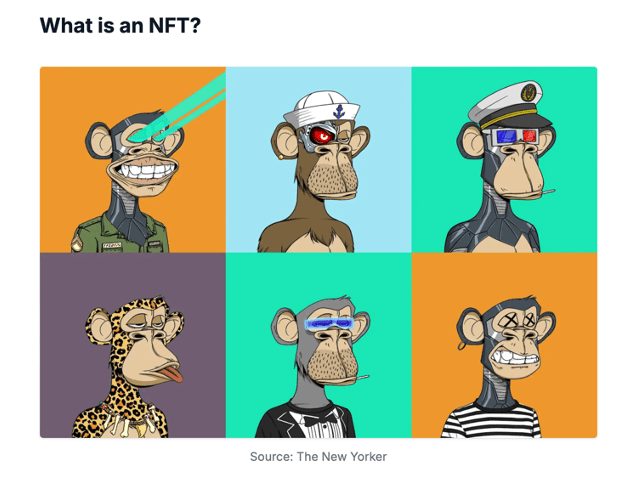
NFT stands for Non-Fungible Token. NFT art refers to digital assets stored on a blockchain that represent content or even physical items. Art mediums that NFTs can represent include digital drawings, paintings, music, film, poetry, or books. NFT art allows artists to sell or rent their artwork beyond the physical world. NFT art is a digital asset that the buyer owns and can sell or trade on a blockchain platform. The sale of NFTs is a means of selling digital art without building an extensive social network. Blockchain transactions take place on NFT marketplaces, reducing the obstacles of self-promotion.
The Rise and Fall of NFTs: Insights from Minted
The Netflix documentary Minted: The Rise (And Fall?) of the NFT offers a front-row seat to the NFT phenomenon. It explores the volatile intersection of culture and capital, highlighting how outsider artists and tech experts navigated the highs and lows of the NFT market. The film captures a moment in history where art, technology, and finance collide, offering a front-row seat to the rise and fall of an artistic frontier.
Sotheby’s ‘Natively Digital’ Auction: A Milestone in NFT Art
In June 2021, Sotheby’s launched “Natively Digital,” its first curated NFT sale, marking a significant moment in the mainstream acceptance of digital art. The auction featured Kevin McCoy’s Quantum (2014), widely regarded as the first NFT artwork, alongside other notable pieces like a rare “alien” CryptoPunk and Anna Ridler’s The Shell Record. This event not only showcased the diversity of NFT art but also highlighted the growing interest from traditional art institutions in the digital realm
Legal Considerations: Navigating the NFT Landscape
As NFTs continue to influence the art world, artists and galleries must be aware of the legal implications.
- Ownership and Licensing
Purchasing an NFT doesn’t always equate to owning the underlying artwork. Often, buyers receive a license to use the art in specific ways. Artists and galleries should clearly define what rights are being transferred to avoid misunderstandings.
- Copyright Infringement
Minting an NFT of artwork you don’t own can lead to legal issues. Artists must ensure they have the rights to the content they tokenize. Galleries should conduct due diligence before exhibiting or selling NFTs to avoid potential copyright infringements.
- Smart Contracts and Royalties
One advantage of NFTs is the ability to embed royalties into smart contracts, ensuring artists receive compensation from secondary sales. However, not all platforms enforce these royalties consistently. Artists should understand how royalties are structured and their enforceability across different marketplaces.
Case Study: Free Holdings v. McCoy and Sotheby’s
The 2023 case Free Holdings v. McCoy and Sotheby’s underscores the complexities of NFT ownership. Kevin McCoy, who created the first NFT titled Quantum in 2014, faced a legal challenge when Free Holdings claimed ownership after re-registering the NFT on a different blockchain. The court ruled in favor of McCoy, emphasizing the importance of clear ownership records and the legal recognition of original creators.
To NFT or Not to NFT?
The decision to engage with NFTs depends on individual goals and risk tolerance. For artists seeking new avenues to share and monetize their work, NFTs offer opportunities for creative and financial autonomy. Galleries aiming to stay relevant may find value in exploring NFTs but should proceed with caution and legal guidance.
Approach NFTs with curiosity and due diligence. Equip yourself with knowledge to navigate this evolving landscape. Remember, while NFTs present new opportunities, they also come with challenges that require careful consideration.
Conclusion
As alluring as the NFT space may be—with its promises of democratization, decentralization, and digital immortality—it remains a legally complex and rapidly evolving terrain. Whether you’re an artist eager to mint your first piece or a gallery considering a digital expansion, the risks around copyright, licensing, smart contracts, and platform compliance are real. Before leaping into this new frontier, consult with an attorney who understands the intersection of art, technology, and intellectual property. Sound legal advice isn’t just a precaution—it’s a strategic investment in protecting your creative work, your reputation, and your future in the art world. Only then can you confidently answer the question: To NFT, or not to NFT.
For further reading:
Minted: The Rise (And Fall?) of the NFT on Netflix. Minted. Directed byNicholas Bruckman, Netflix, 2025. Netflix, www.netflix.com/title/81993558.
Case Review: Free Holdings v. McCoy and Sotheby’s (2023) by the Center for Art Law https://itsartlaw.org/2023/09/12/case-review-free-holdings-v-mccoy-and-sothebys-2023/
Sotheby’s ‘Natively Digital’ Auction Details https://www.barrons.com/articles/sothebys-offers-curated-nft-sale-featuring-first-in-the-genre-01620322895
 Grigsby Whitman Blog
Leave a comment