The Benin Bronzes are emblematic of the movement pressuring Western museums to return heritage looted from Africa in the colonial era. After the violent 1897 plunder and devastation of the Royal Palace of Benin by British troops, at least 3,000 artefacts were dispersed internationally. In recent years, many institutions and countries have begun returning their Benin Bronzes to Nigeria, whose modern boundaries include the kingdom of Benin (which is distinct from the neighboring country of Benin).
These works of art have been prominently featured in the National Museum of African American Art, which is one of the Smithsonian’s 15 facilities that it manages. The secretary of the Museum has been in negotiations with Nigeria to repatriate 20 of the 29 works. The remaining 9 works remain on display at the National Museum of African American Art today.
Repatriation and return of lost works of arts continues to be a topic of discussion within the Museum world. Returning artifacts to those who claim ownership due to an unauthorized taking remains relevant event in 2025. However, over generations people have grown an attachment to these artifacts and developed a since of transferred ownership as a result of having a cultural tie to them. This becomes magnified when African Americans are under the belief that they have been stripped of all other cultural traditions and belongings. African Americans cling tighter to the few artifacts that remain. This emotional and cultural tie is significant and is a part of a cultural journey of a people who have been displaced from the land of its origin. The fact remains that as much as the descendants of the Benin Bronzes feel a connection to them, we know the root of their origin and they should have the option of returning to their country. Part of the mission of the National Museum of African American Art is to display the story of African American people and their journey to and through America. The fact that the Museum has negotiated the retention of 9 of the 29 works speaks to the sensitivity of the Museum to make sure that these specific artifacts and their story continues to be shared here in the US. Sometimes the best remedies in law are those created in equity and where both sides can claim a small victory.
Deadria Farmer-Paellmann v. Smithsonian Institution, is a case filed by Deadria Farmer-Paellmann and the organization she leads, Restitution Study Group (RSG), calling on the highest court in the US to review the July 2023 ruling by a district court in favor of the Smithsonian. The plaintiff’s main argument is centered on the fact that African American citizens whose ancestors were enslaved from the nation of Benin would be robbed of a piece of their cultural heritage if these artifacts are returned to their country of origin. The RSG, which has been defeated by the lower courts, seeks intervention by the US Supreme Court to enjoin the Smithsonian from allowing the artifacts to be repatriated to Nigeria. https://www.artsandcollections.com/bank-of-america-reimagining-access-to-art/https://www.theartnewspaper.com/2024/10/11/supreme-court-benin-bronzes-smithsonian-restitution-lawsuit
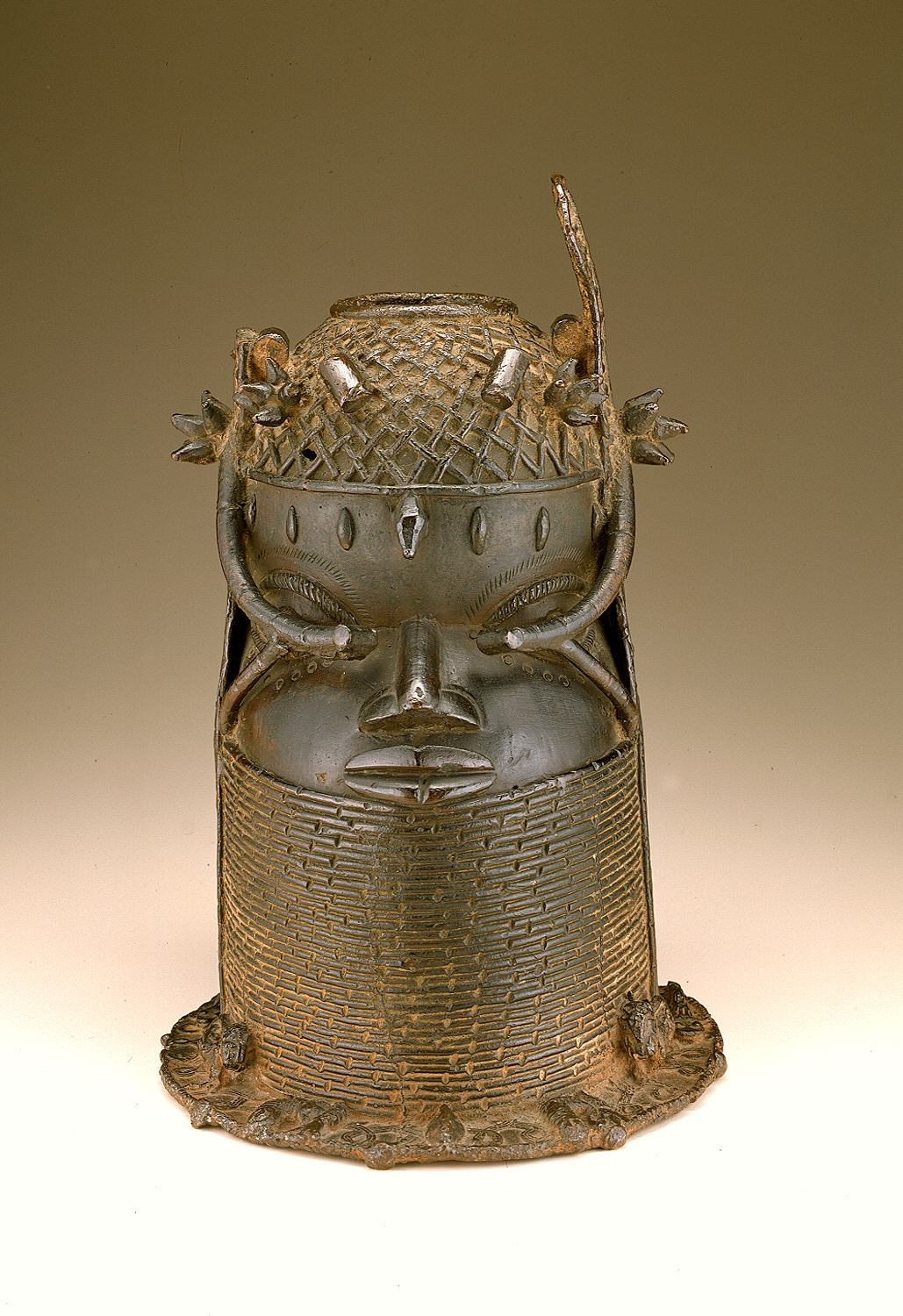
It’s hard for me not to take this subject seriously. How do you balance the fact that these items represent a culture that has been taken and resettled overtime to a land distant from its origin place. Clearly these pieces have a home and they are longing to be reunited. However, they do stand as a symbol of resilience and strength for a community of people who represent about 1/3 of the US population. As I think of the Bronzes, I think of its people who it represents and wonder should they be allowed to return as well. This comes on the heels of the decisions that the Trump administration has made to streamline efforts related to DEI and minimizing and downplaying the significance of the era of slavery in the US. The Bronzes are a physical representation of the fact that these people. People from Africa, Benin in particular were here. Have been here. And now their decedents are here and are thriving and well. The Supreme Court, in its decision not to hear the case, means that the Bronzes will find their way home. The blessing and burden is that for the people who remain the mantel is left for them to fight a bit harder to make sure that their history remains.
 Grigsby Whitman Blog
Leave a comment